Image Processor
The @ecopages/image-processor package provides powerful image processing capabilities for transforming and optimizing images for web use in your Ecopages project.
Installation
Install the package:
Configuration
Add the image processor to your Ecopages configuration:
import path from 'node:path';
import { ConfigBuilder } from '@ecopages/core/config-builder';
import { ecopagesJsxPlugin } from '@ecopages/ecopages-jsx';
import { imageProcessorPlugin } from '@ecopages/image-processor';
const appRoot = process.cwd();
export default await new ConfigBuilder()
.setRootDir(appRoot)
.setBaseUrl(process.env.ECOPAGES_BASE_URL ?? 'http://localhost:3000')
.setProcessors([
imageProcessorPlugin({
options: {
sourceDir: path.resolve(appRoot, 'src/images'),
outputDir: path.resolve(appRoot, 'dist/images'),
publicPath: '/images',
acceptedFormats: ['jpg', 'jpeg', 'png', 'webp'],
quality: 80,
format: 'webp',
sizes: [
{ width: 320, label: 'sm' },
{ width: 768, label: 'md' },
{ width: 1024, label: 'lg' },
{ width: 1920, label: 'xl' },
],
},
}),
])
.setIntegrations([ecopagesJsxPlugin()])
.build();The processor name and image asset capabilities are fixed inside the plugin factory. Pass options only through imageProcessorPlugin({ options }).
outputDir commonly targets a deployable path such as dist/images. Use a work-dir path only when processed files should stay inside .eco or another internal workspace.
Configuration Options
All options live under imageProcessorPlugin({ options }):
sourceDir: Directory containing your source imagesoutputDir: Where processed images will be savedpublicPath: Public URL path for accessing imagesacceptedFormats: Array of input image formats to processquality: Output image quality (1-100)format: Default output formatsizes: Array of responsive image sizes to generate
Package Structure
The image processor provides several entry points:
- Main processor:
@ecopages/image-processor - Type definitions:
@ecopages/image-processor/types - HTML Component:
@ecopages/image-processor/component/html - Ecopages JSX Component:
@ecopages/image-processor/component/jsx - React Component:
@ecopages/image-processor/component/react
Apps type ecopages:images through import '@ecopages/image-processor/types' in
modules.d.ts. Named exports are generated at dev/build time.
Components Usage
HTML Component
Returns a markup string. Call it as a function, or use it as JSX in string-based runtimes such as KitaJS.
import { EcoImage } from '@ecopages/image-processor/component/html';
const imageHtml = EcoImage({
src: '/images/hero.jpg',
alt: 'Hero image',
width: 800,
height: 600,
loading: 'lazy',
});Ecopages JSX Component
import { EcoImage } from '@ecopages/image-processor/component/jsx';
function MyComponent() {
return (
<EcoImage src="/images/hero.jpg" alt="Hero image" width={800} height={600} loading="lazy" />
);
}React Component
import { EcoImage } from '@ecopages/image-processor/component/react';
function MyComponent() {
return (
<EcoImage src="/images/hero.jpg" alt="Hero image" width={800} height={600} loading="lazy" />
);
}The ecopages:images virtual module provides a unified, type-safe way to handle images across your project:
// All images from your source directory are available as named exports
import { heroImage, profilePicture, blogThumbnail } from 'ecopages:images';
// Names are automatically converted to camelCase
// example:
// src/images/hero-image.jpg -> heroImage
// src/images/profile_picture.png -> profilePictureYou do not need to manually add ecopages:images to dependencies.modules; importing from ecopages:images is automatically detected and bundled.
Benefits:
- TypeScript Integration: Full autocompletion support for image names
- Automatic Processing: Images are processed at build time
- Tree Shaking: Only imported images and their required metadata are included in the final bundle
- Type Safety: Prevents imports of non-existent images
- Unified API: Consistent way to handle images across your project
Dependencies
The image processor uses:
- sharp for high-performance image processing
- React 19 for the React component integration
- @ecopages/logger for logging
Examples
import { EcoImage } from '@ecopages/image-processor/component/jsx';
import { janKoprivaNex3P5IbnpgUnsplashJpg } from 'ecopages:images';
<div class="grid gap-8">
<EcoImage
{...janKoprivaNex3P5IbnpgUnsplashJpg}
alt="green plant on persons hand"
layout="full-width"
height={200}
/>
<EcoImage
{...janKoprivaNex3P5IbnpgUnsplashJpg}
alt="green plant on persons hand"
width={600}
height={200}
layout="constrained"
/>
<EcoImage
{...janKoprivaNex3P5IbnpgUnsplashJpg}
alt="green plant on persons hand"
layout="fixed"
width={200}
height={200}
/>
</div>;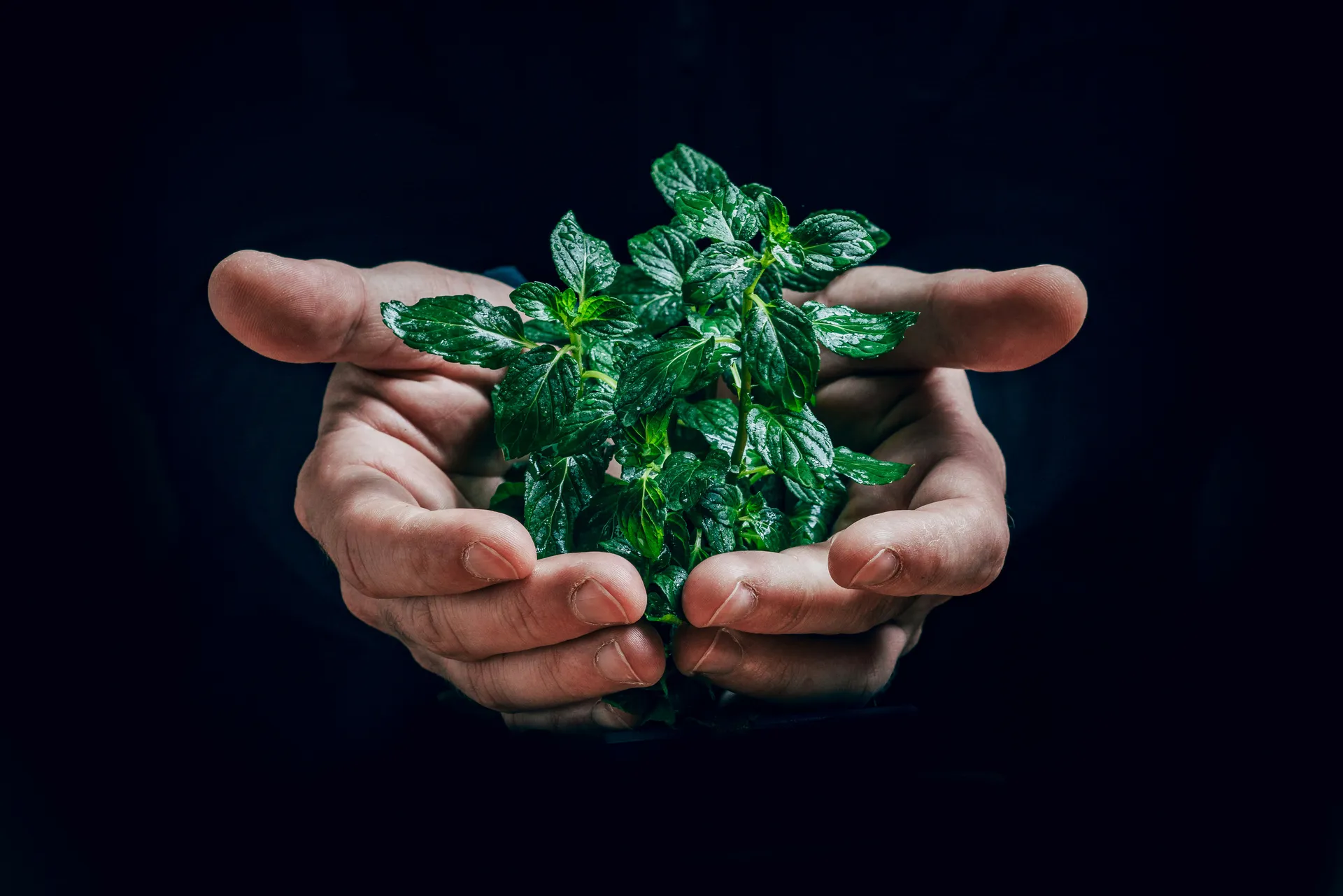
import { EcoImage } from '@ecopages/image-processor/component/jsx';
import { janKoprivaNex3P5IbnpgUnsplashJpg } from 'ecopages:images';
<div class="grid gap-8">
<EcoImage
{...janKoprivaNex3P5IbnpgUnsplashJpg}
width={400}
alt="green plant on persons hand"
priority={true}
unstyled={true}
data-test="attribute"
/>
<EcoImage {...janKoprivaNex3P5IbnpgUnsplashJpg} alt="green plant on persons hand" width={300} aspectRatio="1/2" />
</div>;Photo by Jan Kopřiva on Unsplash
See also
- Custom Processor — authoring processors
- Plugin Lifecycle — when processor hooks run